Free shipping for orders over $80
“Cut carbs and the weight will fall off.”
“Bread makes you gain weight.”
“Never eat pasta after 5pm.”
Carbohydrates have somehow become the villain of the nutrition world.
But should you actually be avoiding them?
For most people, no.
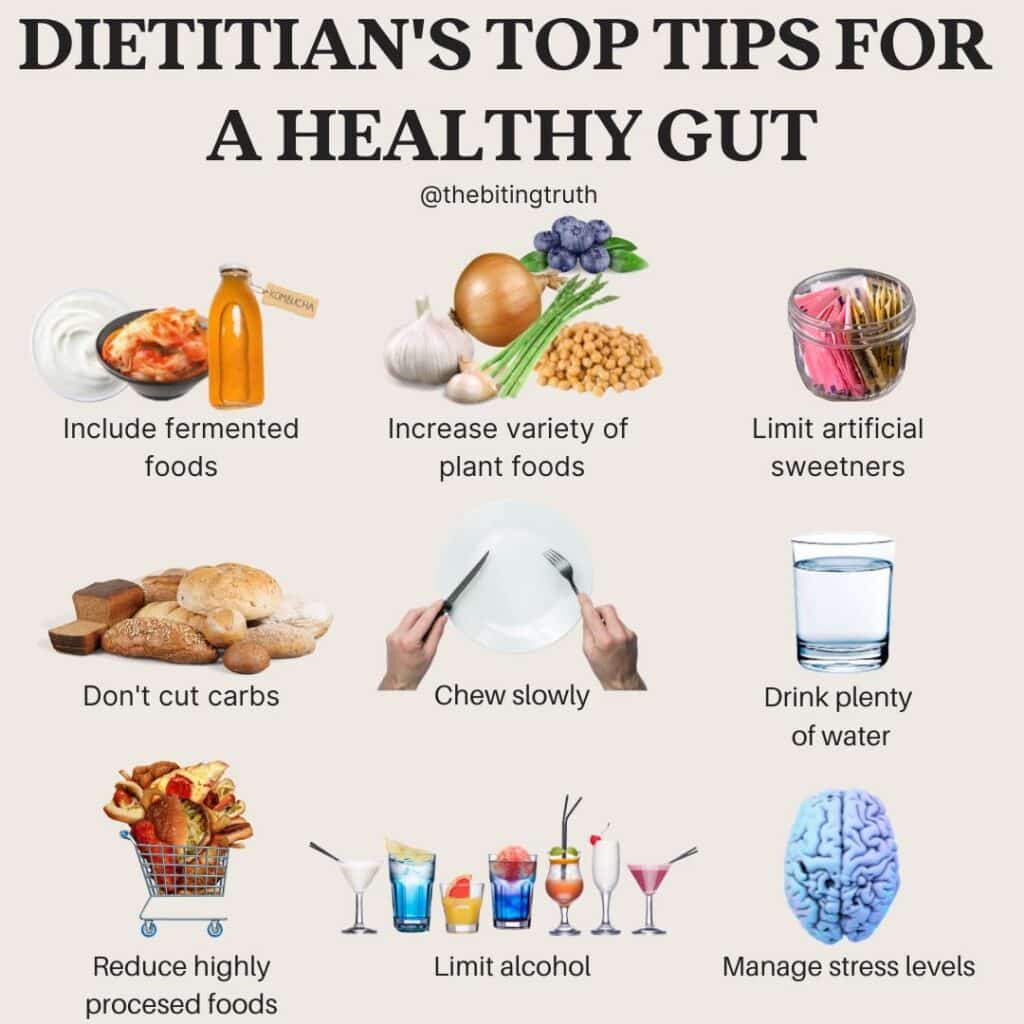
Carbohydrates are found in everything from oats and fruit to pasta, lentils, yoghurt and potatoes. Many carbohydrate rich foods also provide fibre, vitamins, minerals and other nutrients we want more of, not less of.
So rather than asking “Should I cut carbs?”, there is a much more useful question:
Which carbs am I eating, and how much?
When people say they are “cutting carbs”, they are usually talking about bread, rice and pasta.
But carbohydrates are found in a much wider range of foods, including:
• Bread and wraps
• Rice, pasta and noodles
• Oats and breakfast cereals
• Potatoes, sweet potato and corn
• Fruit
• Legumes such as chickpeas, lentils and beans
• Milk and yoghurt
• Cakes, biscuits, lollies and soft drinks
And this is where the conversation around carbohydrates often goes wrong.
A bowl of oats and a can of soft drink both contain carbohydrates. Nutritionally, they are very different foods.
So lumping all carbohydrates together as “good” or “bad” does not make much sense.
One of the main jobs of carbohydrate is to provide your body with energy.
When you eat carbohydrate, much of it is broken down into glucose. Glucose can be used for energy or stored as glycogen, particularly in your muscles and liver, for later.
This becomes especially important when you exercise.
Your body can also use fat as fuel, particularly during lower intensity activity. But as exercise intensity increases, carbohydrate becomes an increasingly important fuel source.
That is one reason athletes do not tend to fear a bowl of pasta.
This is probably the biggest myth of all.
Carbohydrates do not inherently cause weight gain.
Weight management is much more complicated than blaming one nutrient.
And when researchers have compared low carbohydrate weight loss diets with more balanced carbohydrate diets, the results are much less dramatic than social media would have you believe.
A Cochrane review looked at 61 randomised trials involving almost 7,000 people. It found that low carbohydrate diets probably result in little to no difference in weight loss compared with balanced carbohydrate diets over one to two years.
In the longer term, the average difference was less than 1 kg.
In other words, simply cutting carbohydrates does not appear to have some special weight loss effect.
What matters much more is finding an eating pattern that meets your nutritional needs and that you can actually maintain.
You may have heard that eating carbohydrates after 5pm, 6pm or 8pm will automatically lead to weight gain.
Your body does not work like that.
There is no switch that flicks at 5pm and suddenly turns pasta into body fat.
If you enjoy rice with a curry, pasta with dinner or potatoes alongside your salmon, there is no reason to remove them simply because it is nighttime.
Your overall dietary pattern and energy intake matter far more than whether you ate a potato at 7:03pm.
Instead of trying to eliminate carbohydrates, focus on carbohydrate quality.
The Australian Dietary Guidelines recommend choosing mostly wholegrain and high fibre grain foods. Wholegrains can provide fibre as well as nutrients including B vitamins, iron, magnesium and zinc.
Some easy upgrades include:
Instead of: highly refined breakfast cereal
Try: oats or a higher fibre wholegrain cereal
Instead of: white bread every day
Try: wholegrain or high fibre bread
Instead of: crackers with very little fibre
Try: wholegrain crackers
Instead of: always choosing white rice
Try: mixing things up with brown rice, quinoa, barley or other wholegrains
This does not mean white bread or white rice are suddenly “bad”. Nutrition does not need to be that black and white.
It simply means choosing higher fibre, less refined options more often.
One of our biggest concerns with unnecessarily cutting carbohydrate rich foods is what can disappear with them.
Fibre.
Wholegrains, fruit, legumes and vegetables are all important sources of dietary fibre.
Fibre supports healthy bowel function and is associated with a lower risk of several chronic diseases. Australian recommendations sit at around 25 g per day for adult women and 30 g per day for adult men.
Going “low carb” can still provide enough fibre if it is carefully planned. But if cutting carbs means removing wholegrain bread, oats, fruit and legumes without replacing them with other fibre rich foods, hitting your fibre needs becomes harder.
GI stands for Glycaemic Index.
It ranks carbohydrate containing foods according to how quickly they raise blood glucose after eating.
Generally:
Lower GI foods are digested and absorbed more slowly.
Higher GI foods tend to produce a faster rise in blood glucose.
Examples of lower GI carbohydrate foods can include oats, some wholegrain breads, pasta, legumes, milk, yoghurt and certain fruits.
But GI is only one part of the picture.
A food does not automatically become healthy because it has a low GI, and you do not need to check the GI number of everything you eat.
For most people, a simpler approach is to prioritise wholegrains, high fibre foods, fruit, vegetables and legumes, while looking at the quality of the whole meal.
For many people, including a quality carbohydrate source with meals can be a practical way to support energy, fibre intake and overall nutrition.
That could look like:
Breakfast: oats, wholegrain toast
Lunch: grainy bread, a wholegrain wrap, quinoa or rice
Dinner: potatoes, rice, pasta, noodles or another grain
The amount you need will vary depending on your appetite, activity levels, health goals and individual needs.
Someone training for a marathon will have very different carbohydrate requirements from someone sitting at a desk for most of the day.
You do not need to fear carbohydrates.
You also do not need to eat unlimited amounts of them simply because they can be nutritious.
The useful middle ground is much less exciting than the advice you will see on social media:
Choose good quality carbohydrate foods most of the time.
Think wholegrains, oats, fruit, legumes, potatoes, dairy and other minimally processed options.
Pay attention to portions.
Get enough fibre.
And yes, you can absolutely eat pasta for dinner.
—
Want to put this into practice? For busy working mums: If you’re tired of overthinking food, skipping meals or feeling like healthy eating is another thing on your to do list, take a look at Back to You. It’s our 6 week nutrition program designed to help busy mums build simple, realistic eating habits that work around family, work and real life.
Check out The Biting Truth cookbook here.