Eating more fruit and veg can lift your mood as much as landing a new job.
It sounds like something your aunt would share on Facebook, but it comes from a study that followed more than 12,000 Australians over several years. And it’s just one of a stack of studies showing that what’s on your plate shows up in your head.
Over the past decade, researchers have started testing food the way they test medication. They change what people eat, compare them with a group who didn’t change and measure what happens to their mental health. A lot of that work was done right here in Australia.
Here’s what they found, a myth or two to bin, and seven easy ways to eat for your mood this week.
The Aussie study that changed the conversation
In 2017, Professor Felice Jacka’s team at Deakin University asked a simple question: could changing what you eat help lift depression?
They worked with adults living with depression. Half saw a dietitian a handful of times over three months. The other half had regular social support catch-ups instead.
About 1 in 3 people in the food group improved so much they no longer met the criteria for depression. In the support group, it was fewer than 1 in 10. (SMILES trial)
The diet wasn’t fancy. It was a Mediterranean-style way of eating, with more veg, fruit, wholegrains, beans, nuts, fish, eggs and olive oil, and fewer sweets, fried foods and sugary drinks.
A 2022 trial in young Australian men found the same pattern. When researchers pooled 16 studies, two things stood out:
- Who gives the advice matters. Support from a dietitian made a real difference, and general advice didn’t have the same effect.
- Women seemed to benefit most.
Food isn’t a replacement for professional care, but it’s a powerful tool to use alongside it.
Your gut and brain are in constant contact
Around 90% of your body’s serotonin, the “feel-good” chemical, is made in your gut, not your brain.
It doesn’t travel up to your head. Instead, your gut and brain talk through a direct nerve line and through the trillions of bacteria living in your gut. Keeping those bacteria happy matters.
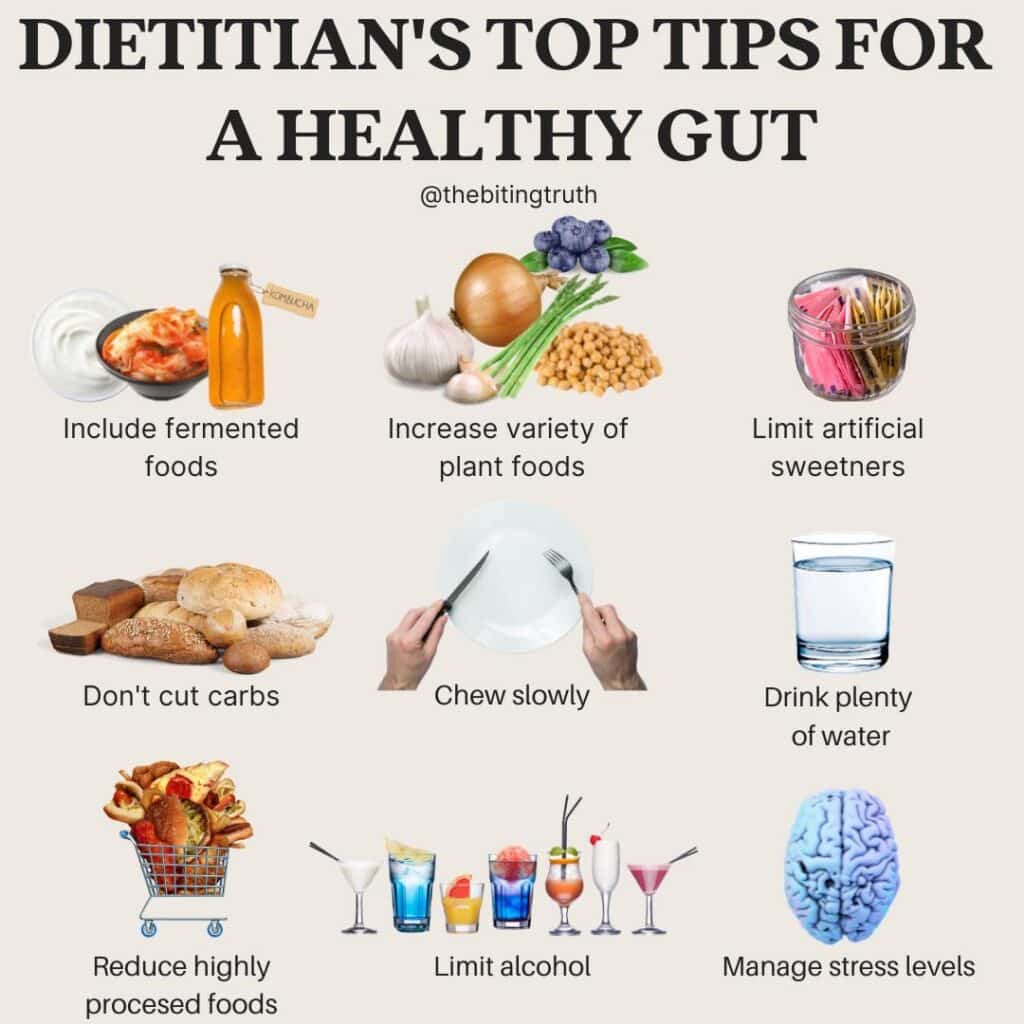
In a Stanford study, people who ate more fermented foods for 10 weeks ended up with a more varied mix of gut bacteria and less inflammation. Think yoghurt, kefir, kimchi, sauerkraut and kombucha.
Fibre matters too, because it’s what those bacteria eat. You’ll find it in veg, fruit, legumes and wholegrains.
Myth buster: Sourdough isn’t a probiotic. The bacteria that make it rise don’t survive the oven. It’s still a great bread. It just won’t add live bacteria to your gut.
Omega-3s: the fats your brain is built from
Take away the water and your brain is about 60% fat. Omega-3s help build brain cells and keep inflammation in check, and your body can’t make enough on its own.
Oily fish is the best source by a mile. Chia, flaxseed and walnuts have omega-3 too, but your body only converts a small amount into the type your brain uses. Not all fish is equal either. Canned tuna has far less than salmon, sardines, mackerel or trout.
Thinking about a fish oil supplement for mood? Chat to your GP or a dietitian first. The research points to specific types and doses, so grabbing any old bottle off the shelf won’t cut it.
Carbs and water: the unglamorous mood fixers
Your brain runs mainly on carbs. Skip a meal and you’ll feel foggy, flat or snappy. Yes, “hangry” is real.
Slow carbs like wholegrain bread, oats, brown rice, legumes, fruit and dairy give you steady energy instead of a spike and crash.
Water is the one nobody thinks about. Even mild dehydration has been shown to dampen mood, hurt concentration and trigger headaches. It’s easy to get there when you’ve been glued to your desk all day.
What about ultra-processed foods?
A 2024 review covering almost 10 million people linked diets high in ultra-processed food to a 22% higher risk of depression and around a 50% higher risk of anxiety and common mental health issues.
That doesn’t prove the food is the cause, because when we feel low we reach for convenience food too. The bigger issue is what’s missing. Fewer than 4 in 100 Australians eat enough veg, and about a third of our kilojoules come from “sometimes” foods.
The fastest payoff in nutrition
Most health benefits from food take years to show up. Mood is quicker.
In that study of 12,000 Australians, people who went from almost no fruit and veg to eight serves a day became noticeably happier within two years. The boost was about the same as going from unemployed to employed.
And in a New Zealand trial, young adults who ate two extra serves of fruit and veg a day felt more energetic and motivated after just two weeks.
7 ways to eat for your mood this week
- Add two extra serves of fruit or veg a day. Keep snow peas and cherry tomatoes in the office fridge, stuff baby spinach into your wrap, or throw frozen veg into whatever’s in the pan. Two serves was all it took in the NZ trial.
- Crack open a tin of fish. Canned salmon or sardines on wholegrain toast is a five-minute lunch. Aim for two to three times a week.
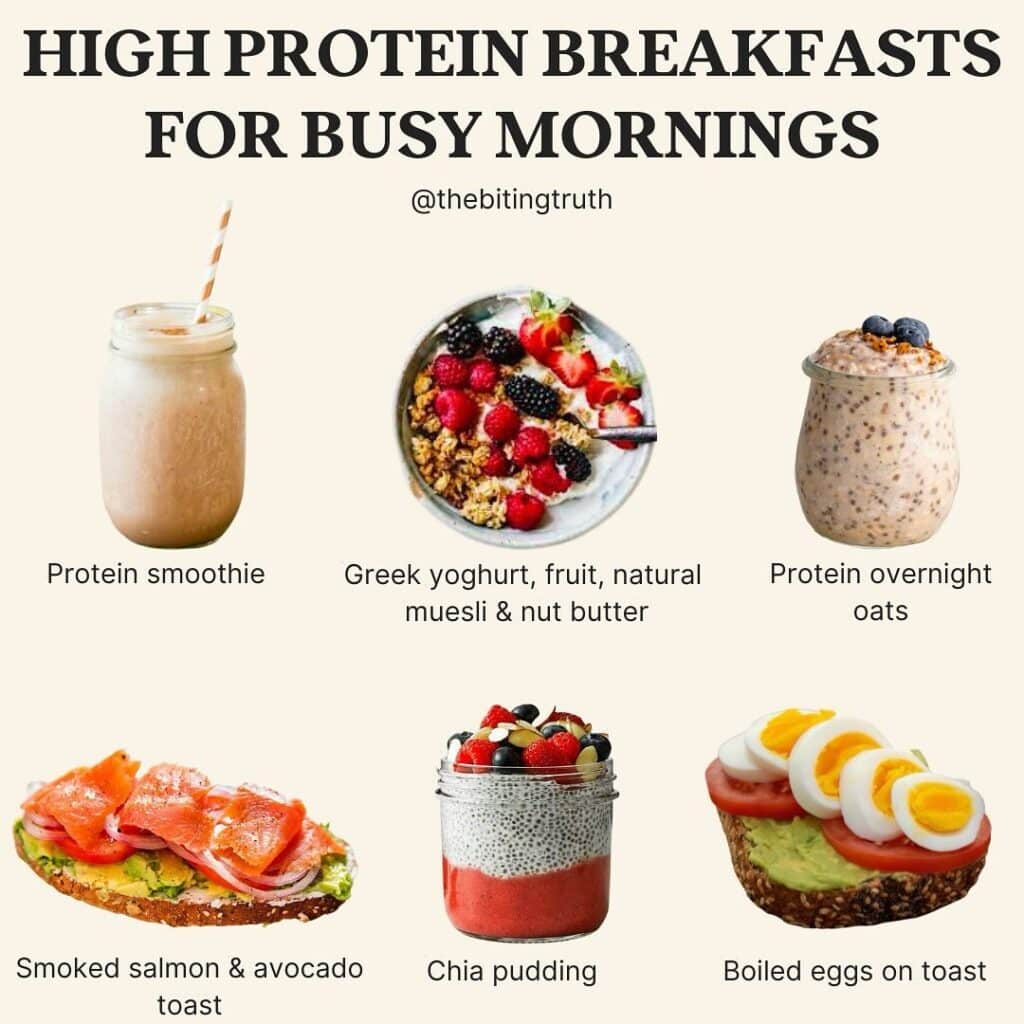
- Have one fermented food a day. Greek yoghurt and berries at brekkie, kimchi through a rice bowl, or sauerkraut on a toastie.
- Get legumes in three times a week. Chickpeas through a salad, lentils in your bolognese, or a tin of four-bean mix in a wrap. You get steady energy and gut food in one hit.
- Don’t skip lunch. Eating at your desk isn’t ideal, but it beats skipping lunch every time. Build it around a slow carb like brown rice, wholegrain bread or sweet potato.
- Plan your 3pm snack before 3pm. Pair a slow carb with protein: yoghurt and fruit, wholegrain crackers and cheese, or a handful of nuts and an apple.
- Watch what’s in your cup. Keep a water bottle on your desk, have your last coffee around 2pm so it doesn’t wreck your sleep, and go easy on the wine on work nights. Alcohol can leave your mood and sleep worse the next day.
Food is one piece of the puzzle. Sleep, movement and connection matter too. If you’re doing it tough, talk to your GP or call Lifeline on 13 11 14.
—
- Short on ideas for what to cook? The Biting Truth Cookbook is packed with quick, dietitian-approved recipes that make eating for your mood easy.
- Listen to The Biting Truth podcast episode on ‘The Food-Mood Connection’ here.
- Want your team eating for better focus and mood? Our dietitians run interactive Mood & Food seminars in your office. Contact us to find out more.