Your lunch might be doing more for your mood than your morning coffee.
That sounds like something off a wellness influencer’s feed. It isn’t. Over the past decade, researchers have started testing food the way they test treatments. They change what people eat, compare them with a control group, and measure what happens to their mental health.
The results are hard to ignore. And a lot of this work was pioneered right here in Australia.
Here’s what the research has found, a few things you probably haven’t heard before, and some simple ways to put it to work in your week.
The Australian study that changed the conversation
In 2017, a team at Deakin University asked a simple question. Could changing what you eat help lift depression?
They worked with adults living with depression. Half met with a dietitian a handful of times over three months. The other half had regular social support catch-ups instead.
The results surprised a lot of people. About 1 in 3 people in the food group felt so much better they no longer met the criteria for depression. In the support group, it was fewer than 1 in 10.
And the diet wasn’t fancy. More veg, fruit, wholegrains, beans, nuts, fish, eggs and olive oil. Less of the sweets, fried food and sugary drinks. (SMILES trial)
Since then, a study of young Australian men found similar results. And when researchers looked at 16 studies together, two things stood out:
- Who gives the advice matters. Support from a dietitian made a real difference. General advice didn’t have the same effect.
- Women seemed to benefit most.
Food isn’t a replacement for professional care. But it’s a powerful tool to use alongside it.
Your gut is talking to your brain
Here’s something most people don’t know. Most of your body’s serotonin, the “feel-good” chemical, is made in your gut, not your brain.
But it doesn’t travel up to your head. Instead, your gut and brain chat through a direct nerve line and through the bacteria living in your gut.
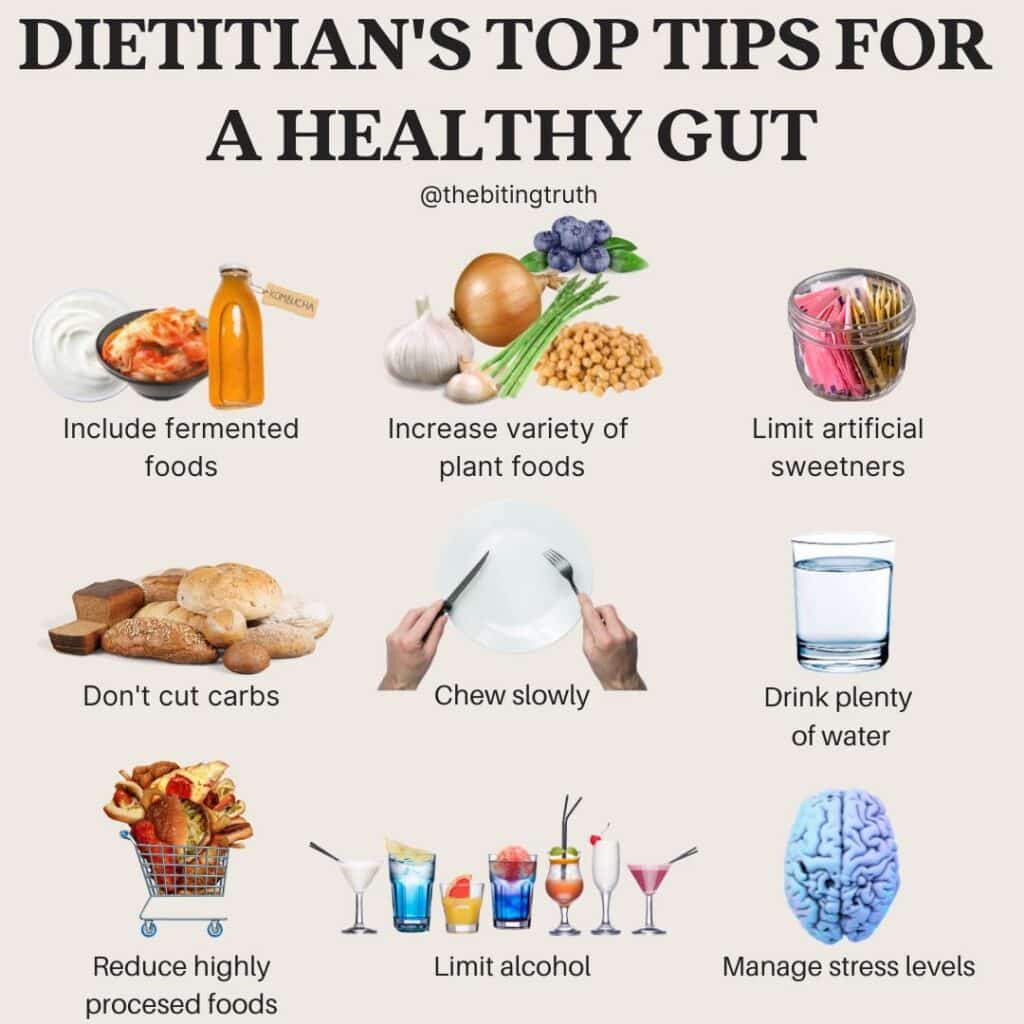
So looking after those bacteria matters. And they love variety.
In one Stanford study, people who ate more fermented foods for 10 weeks ended up with a more varied mix of gut bacteria and less inflammation in their body. Think yoghurt, kefir, kimchi, sauerkraut and kombucha.
Fibre matters too. It’s what your gut bacteria eat. You’ll find it in veg, fruit, beans and wholegrains.
Myth buster: Sourdough isn’t a probiotic. The bacteria that help it rise don’t survive the oven. It’s still a tasty bread choice. It just won’t add live bacteria to your gut.
Omega-3s: fats your brain is built from
Take away the water, and your brain is about 60% fat. Omega-3 fats help build brain cells and keep inflammation in check. Your body can’t make enough on its own, so they come from food.
Two things worth knowing:
- Oily fish is the best source. Chia, flaxseed and walnuts have omega-3 too, but your body can only use a small amount of it.
- Not all fish is equal. Canned tuna has far less omega-3 than salmon, sardines, mackerel or trout.
Aim for fish two to three times a week. Canned salmon and sardines make a cheap, easy work lunch. If you don’t eat fish, a dietitian can help you find other options.
Carbs: steady fuel, steadier mood
Your brain runs mainly on carbs. Skip a meal and your energy dips. That’s when you start to feel foggy, flat or snappy. Yes, “hangry” is real.
Choose carbs that give you slow, steady energy. Wholegrain bread, oats, brown rice, beans, fruit and dairy all fit the bill. Beans and lentils are a double win. You get steady energy plus fibre for your gut.
What about ultra-processed foods?
A big 2024 review looked at almost 10 million people. It found a link between eating lots of ultra-processed foods and a higher chance of depression and anxiety.
That doesn’t prove one causes the other. When we feel low, we often reach for convenience food too.
Most of us also have room to add more. Only about 4 in 100 Australians eat enough veg. And around a third of what we eat comes from “sometimes” foods.
All foods can have a place. The bigger win is adding more of what we’re missing.
The fastest payoff in nutrition
Most health benefits from food take years to show up. Mood might be quicker.
Researchers followed more than 12,000 Australians over several years. The more fruit and veg people ate, the happier they tended to be, up to about eight serves a day.
People who went from almost none to eight a day got a big lift in life satisfaction within two years. How big? About the same as going from unemployed to landing a job.
Simple ways to eat for your mood at work
- Add before you subtract. Try adding one extra serve of vegetables to your lunch. Think a handful of spinach in a wrap or a side of cherry tomatoes.
- Don’t let lunch disappear. Eating at your desk counts, but skipping it doesn’t. Regular meals keep your energy and mood steady through the afternoon.
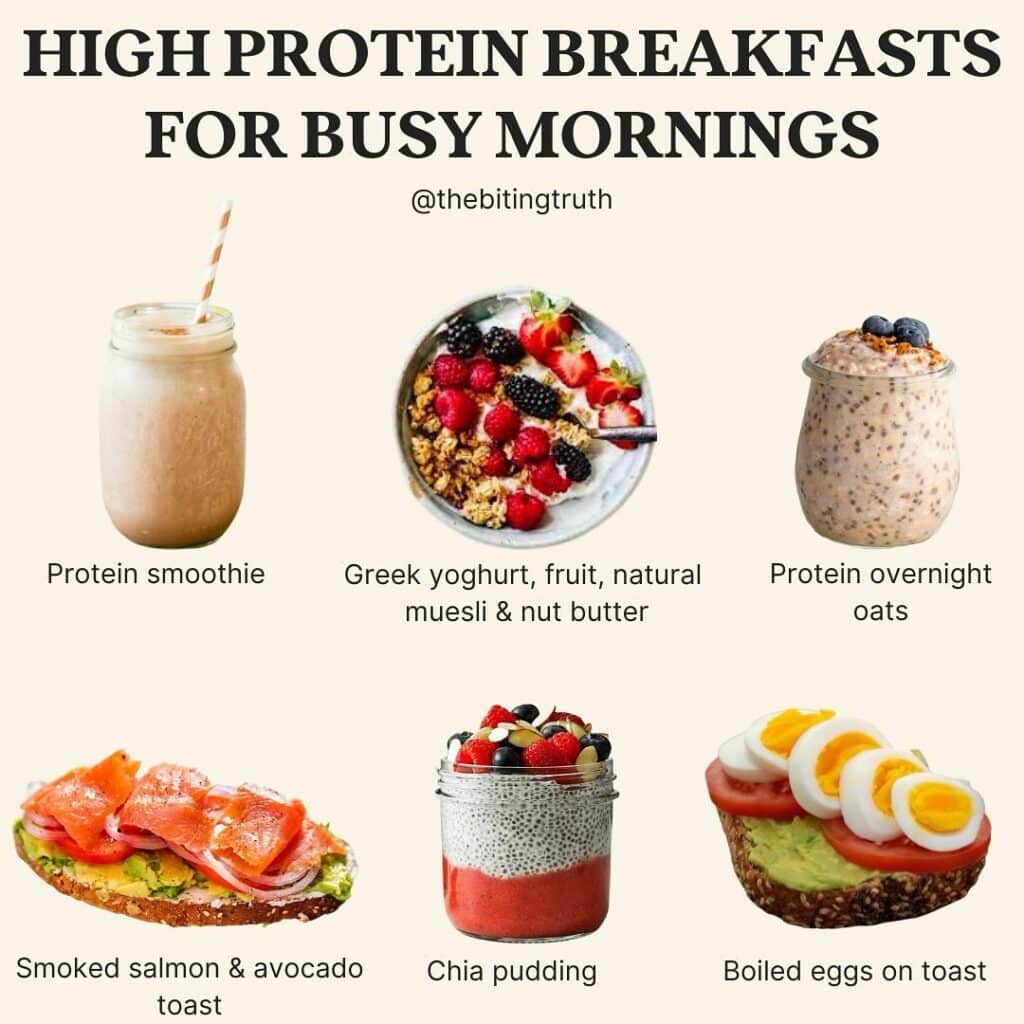
- Plan your 3pm snack. Pair a slow carb with some protein. Try yoghurt and fruit, wholegrain crackers and cheese, or a handful of nuts.
- Fish two to three times a week. Canned salmon or sardines on wholegrain toast is a five-minute lunch.
- One fermented food a day. Yoghurt at breakfast, kimchi in a rice bowl, or sauerkraut on a sandwich.
- Legumes three times a week. Toss chickpeas through a salad or add lentils to your bolognese.
- Keep an eye on caffeine and alcohol. Caffeine late in the day can disrupt sleep. Alcohol can leave your mood and sleep worse the next day.
Food is one piece of the puzzle. Sleep, movement and connection matter too. If you’re finding things tough, talk to your GP or call Lifeline on 13 11 14
—
- Listen to The Biting Truth podcast episode on ‘The Food-Mood Connection’ here.
- Interested in a Keynote seminar on ‘Mood & Food’ for your employees? The Biting Truth’s team of qualified dietitians can visit your office and hold an interactive seminar on ‘Mood & Food’. Please Contact Us for more information.